
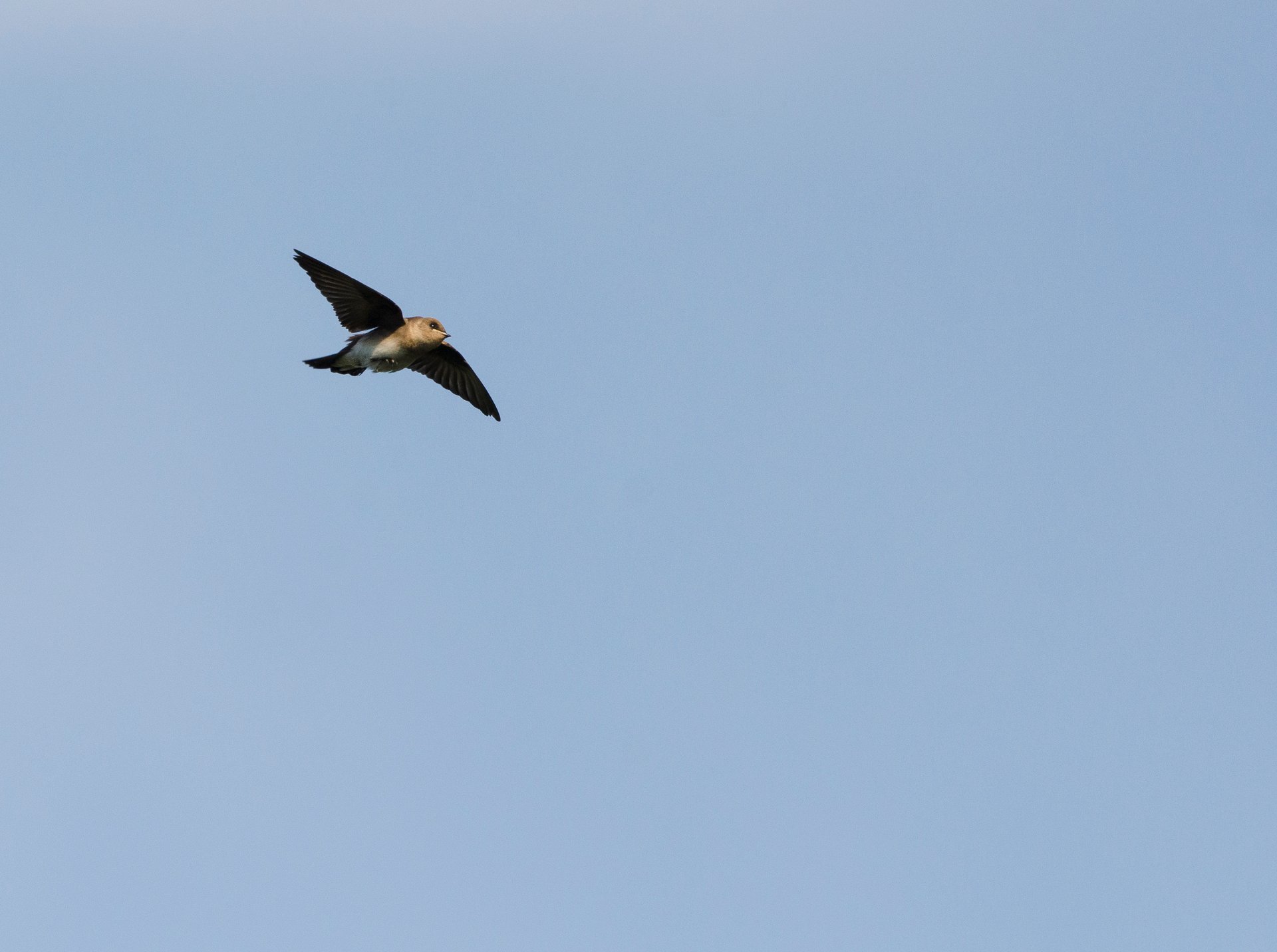
If you have heard chirping or a fluttering, twittering sound coming from your fireplace this summer, you may have chimney swifts living above your damper. These small, cigar-shaped birds have nested in chimneys across Madison and the rest of Wisconsin for generations. They are fascinating guests, but they also come with a few rules homeowners need to know. Here is what to do if chimney swifts move into your chimney, and how to plan for the season after they leave.
What Are Chimney Swifts?
Chimney swifts are small, sooty-gray migratory birds that spend most of the day in flight and roost and nest inside chimneys. According to the U.S. Fish and Wildlife Service, they once nested in hollow trees, but as old-growth forests disappeared, they adapted to masonry chimneys, which offer the rough vertical surfaces they need. Swifts cannot perch on branches like most birds. Instead, they cling to walls with their feet and tails.
They are also helpful neighbors. Chimney swifts feed on flying insects, catching them on the wing over yards, fields, and neighborhoods, often miles from their nest.
When Do Chimney Swifts Nest in Wisconsin Chimneys?
Chimney swifts typically arrive in the spring, raise their young over the summer, and leave by early fall. The U.S. Fish and Wildlife Service notes that they return from their wintering grounds in South America in March and April and head back south in August and September. Many birds return to the same chimney year after year.
Inside the flue, a pair builds a small half-saucer nest made of twigs glued together with saliva and attached to the chimney wall. Once the eggs hatch, the young birds make a loud, raspy food-begging call for a few weeks before they are ready to fly. That chattering is usually the first sign homeowners notice.
Is It Legal To Remove Chimney Swifts From My Chimney?
No. Chimney swifts are protected under the federal Migratory Bird Treaty Act, which makes it illegal to harm or harass the birds or disturb their eggs, young, or active nests. That means you should not try to smoke them out, spray anything up the flue, or have the chimney cleaned while they are nesting. Removing an active nest requires a federal permit.
The good news is that their stay is temporary. In nearly every case, the simplest and legal answer is to wait until the birds have migrated in late summer or early fall, then schedule service.
What Should I Do While Swifts Are Living in My Chimney?
Keep your damper closed, leave the birds alone, and plan your chimney service for after they migrate. A few simple steps make the season easier for everyone:
- Close the damper. A closed damper keeps birds, debris, and noise from coming into the living space. If you do not have a working damper, keep the fireplace doors or screen closed.
- Do not light a fire. Swifts are usually present during the warm months anyway, but avoid using the fireplace while they are nesting.
- Muffle the noise if needed. The U.S. Fish and Wildlife Service suggests placing foam rubber (not fiberglass insulation) above the damper to soften the sound of chirping young. Just remember to remove it later.
- Be patient. The noisiest period lasts only a few weeks, and the family will leave on its own once the young can fly.
Are Chimney Swift Nests a Fire Hazard?
Chimney swift nests are small and generally are not considered a fire hazard, but your chimney should still be swept and inspected before you start using it again. Wildlife agencies such as the Connecticut Department of Energy and Environmental Protection note that swift nests are lightweight and do not pose a fire or disease risk the way some people assume. Over time, however, old nesting material and droppings can collect in the flue and smoke chamber along with soot and creosote.
That is one reason the CSIA recommends having a certified sweep evaluate your chimney once the swifts have gone. A professional chimney sweeping after migration clears out leftover debris, and an annual chimney inspection, as called for in NFPA 211, confirms the flue is clear and safe before your first fall fire.
When Is the Best Time To Clean a Chimney That Had Swifts?
The best time to clean a chimney that hosted swifts is in early fall after the birds have migrated, or in early spring before they return. Fall cleaning works especially well for Wisconsin homeowners because it lines up with getting the fireplace ready for heating season. Wildlife agencies generally recommend completing cleaning before the birds come back in the spring so a returning pair is not disturbed mid-nest.
Your sweep can also check for other issues that are common in older masonry chimneys, such as cracked crowns, deteriorating mortar, or water damage, so the chimney is ready for winter.
Should I Install a Chimney Cap After the Swifts Leave?
Whether you cap your chimney is a personal decision, but a cap can only be installed after the swifts are gone for the season. Some homeowners enjoy hosting swifts each summer and choose to leave a clean masonry chimney open for them, keeping the damper closed while the birds are present. The U.S. Fish and Wildlife Service encourages this where a chimney is suitable for swifts, and it recommends capping metal-lined chimneys because swifts cannot cling to smooth metal and can become trapped.
Other homeowners prefer to keep all wildlife out. A properly fitted chimney cap keeps birds, squirrels, and raccoons out of the flue and also helps keep rain and debris from getting inside. For homes with prefabricated fireplaces, a chase cover paired with a cap serves the same purpose. A chimney professional can help you weigh the options for your specific chimney.
Need Help Planning Around Chimney Swifts in Madison?
Chimney swifts are a sign of summer, and with a little patience, they move on without any harm to your home. When they do, Hansen & Sons Fireplace & Chimney is here to help. Our CSIA-certified team can sweep and inspect your chimney after migration and talk through whether a cap makes sense for your home. Contact us to schedule your fall chimney service.
Recent Comments